horak Rechtsanwälte · Hanover and throughout Germany
Construction law with technical expertise.
We advise and represent clients, contractors, trades, architects, engineers, developers and public authorities – in private and public construction law, architects’ and engineers’ law, public procurement and real estate law in Germany.
- since 2002active in construction and real estate law
- 10offices – head office in Hanover
- Dipl.-Ing. · Dipl.-Phys.engineering and science degrees in the team
- ARGE Baurechtmembers of the German Bar Association’s construction and real estate law working group
Few areas of life are as heavily regulated as building. Anyone who develops a site, builds a house, carries out a construction contract or designs a building in Germany moves between the German Civil Code (BGB), the VOB, the HOAI fee scale, the Federal Building Code, the state building regulations and public procurement law. This introduction gives you an overview of the areas of law in which we advise – and of how they fit together.
Construction law – a cross-section of many areas of law
There is no single German “construction code”. Lawyers distinguish two main fields: private construction law governs the legal relationships between the parties to a project – client, contractor, trades, architects, engineers and developers. Public building law, by contrast, governs the relationship between the developer and the state: whether and how a site may be built on, which permits are required and which rights neighbours have.
Closely related fields complete the picture: architects’ and engineers’ law with the German fee scale for architects and engineers (HOAI), public procurement law for public contracts, real estate and property law, tenancy and brokerage law, and employment and criminal law on construction sites. In practice these fields overlap. A design error can jeopardise the building permit, trigger change orders from the contractor and give rise to the architect’s liability at the same time. Good advice therefore keeps the whole project in view.
Private construction law: contracts, payment and defects
At the heart of private construction law is the construction contract. Since 2018 the BGB has contained specific rules on the construction contract, the consumer construction contract, the architect’s and engineer’s contract and the developer contract. In addition, many parties agree on the VOB/B, a set of standard terms with its own rules on completion dates, disruption, change orders, invoicing, acceptance and warranty. Which set of rules applies and how it is validly incorporated often decides the outcome of a later dispute.
During construction, change orders and construction time take centre stage: if the client changes the design or orders additional work, the question of additional payment arises. If the project is delayed, the issues are notices of disruption, contractual penalties and damages. Finally, acceptance (Abnahme) shifts the burden of proof for defects, makes the price due and starts the limitation period for defect claims. Contractors secure their payment through the builder’s security under section 650f BGB and the security mortgage; clients secure their position through guarantees and retentions.
Design, engineering and project development
Architects and engineers generally owe not merely drawings but a design that actually works. Architects’ and engineers’ law clarifies which services are owed, how they are remunerated under the HOAI or by free agreement, and when designers are liable for construction defects or cost overruns. Copyright in plans and buildings and the professional rules of the chambers also play a role.
Whether work is defective is often decided by the generally recognised rules of engineering, DIN standards and the assessment of construction experts. In developer and project development law, the purchase of land, the obligation to build and instalment payments under the German Brokers and Developers Ordinance (MaBV) come together – a constellation with particular risks for buyers and developers.
Public building law: what may be built where
Federal planning law (the Federal Building Code and the Land Use Ordinance) determines which uses are permitted on a site – within the scope of a development plan, in the unplanned built-up area or in the outskirts. The building regulations of the federal states, in Lower Saxony the NBauO, govern setback areas, fire protection, parking spaces and the permit procedure. Municipalities steer urban development through land-use and development plans and through urban development contracts with investors.
If a building application is refused, granted subject to conditions or challenged by a neighbour, it is essential to act quickly and within the deadlines: objection, action and urgent proceedings before the administrative court. Neighbour law is where public and private law meet – from setback areas and boundary development to public building encumbrances (Baulasten) and emissions.
Public procurement: awarding and winning public contracts securely
Public contracting authorities must tender construction, design and other services according to strict rules. Above the EU thresholds, the Act against Restraints of Competition (GWB), the Procurement Ordinance (VgV) and the VOB/A-EU apply; below them, budget law, the VOB/A and the Sub-threshold Procurement Rules (UVgO). For bidders: procurement errors must be raised early, otherwise they are excluded in review proceedings. For contracting authorities: a carefully prepared award procedure is the best protection against delays.
Real estate law: property, use and transactions
Every construction project starts with a site. Real estate law covers the purchase and sale of land and buildings, due diligence, easements such as rights of way and utility rights, hereditary building rights and condominium ownership. Once a building is completed, questions of use follow – in particular in commercial tenancy law and brokerage law.
Resolving construction disputes
Construction lawsuits are technically demanding, costly and often lengthy. That is why it pays to tackle conflicts early and in a structured way: through negotiation, conciliation, mediation or adjudication. Where a court decision cannot be avoided, independent evidence proceedings preserve evidence of the condition of the building and suspend the limitation period. Complex projects and international contracts often provide for arbitration. We also advise on employment and criminal law risks on site, for example the general contractor’s liability for the minimum wage and social security contributions.
On the following pages you will find a detailed description of the most important contracts, procedures and questions for each of these topics. Every case is different, however: for a reliable assessment, please contact us directly.
Practice areas
16 practice areas – grouped by topic
Every construction project touches several areas of law. Choose your topic – the detail pages cover contracts, procedures, typical questions and our services.
Construction contracts & execution
From signing the contract to the final invoice: contracts, change orders, acceptance, defects and payment security.
- Construction contracts BGB construction contract, VOB/B, general contractor and subcontractor agreements: we draft and review construction contracts and support you throughout construction. Learn more
- Change orders & delay Changes to the works, increased quantities, disruption and delays: we enforce justified change orders and defend against unjustified claims. Learn more
- Acceptance & defects Acceptance is the turning point of a construction contract. We support acceptance inspections, enforce defect rights or defend against unjustified defect claims – keeping an eye on every deadline. Learn more
- Payment security & trades Contractor's security, security mortgage, guarantees and interim payments: how construction companies and trades secure their payment. Learn more
Design, engineering & development
Architects, engineers, experts and developers – duties, fees and liability.
- Architects' law Architect agreements, fees under the HOAI, liability for design and supervision errors, and copyright in drawings and buildings. Learn more
- Engineers' law Structural design, building services, building physics, transport infrastructure: contracts, fees, liability and professional law for engineers and engineering firms. Learn more
- Developers & projects Developer contracts, instalments under the MaBV, defects in common property and the legal structuring of project developments. Learn more
- Experts & technology Generally recognised rules of technology, DIN standards, trade rules and expert reports: most construction cases are decided where technology and law meet. Learn more
Public building law & procurement
Building permits, land-use planning, neighbour protection and public contracts.
- Building permits Preliminary enquiry, building application, deviations and exemptions, objection and action, stop-work and demolition orders: we take your project to approval. Learn more
- Land-use planning Land-use plan, development plan, project-related planning, urban development contracts and PPP models: we support investors, municipalities and those affected. Learn more
- Public procurement Tenders under the GWB, VgV, VOB/A and UVgO: we advise contracting authorities on awarding contracts and companies on bids, complaints and review proceedings. Learn more
- Neighbour law Setback areas, boundary development, emissions, neighbour actions and building encumbrances: we represent developers and neighbours – out of court and before civil and administrative courts. Learn more
Real estate, disputes & compliance
Property, leases and brokers, construction litigation and arbitration, employment and criminal law on site.
- Real estate law Buying and selling property, due diligence, easements, heritable building rights and condominium ownership: legal certainty for land and buildings. Learn more
- Tenancy & brokerage Commercial and residential leases, rent adjustment, defects and termination, as well as commission claims and liability in brokerage law. Learn more
How we work
Support in every project phase
Construction disputes are expensive and time-consuming. That is why we get involved early – and are there for you if a conflict does arise.
-
1
Project set-up & design
Checking the site, planning law and permit prospects, defining the project structure and procurement strategy, drafting architects’ and engineers’ contracts.
-
2
Tender & contract
Tendering, construction contracts under the German Civil Code (BGB) or VOB/B, general contractor and subcontractor agreements, balanced securities and liquidated damages.
-
3
Construction phase
Legal support during construction, change order and disruption management, construction time, interim invoices and communication with all parties.
-
4
Acceptance & warranty
Preparing acceptance, notifying and enforcing defects, checking the final invoice, releasing or drawing on securities.
-
5
Dispute resolution
Negotiation, conciliation and mediation, independent evidence proceedings, construction litigation and arbitration – with an eye on cost and duration.
Why horak
Law and engineering under one roof
Construction cases are often decided at the interface between engineering and law: is it a design error or a workmanship error? Does the work comply with the generally recognised rules of engineering? Is a change order justified in principle and in amount? Several of our lawyers hold degrees in engineering or natural sciences and speak the language of planners, experts and site managers.
At the same time, we combine construction law with neighbouring disciplines of our firm: intellectual property and copyright (for example copyright in plans and buildings), public procurement and real estate law.
More about the firm
- Both sides of the construction contract. We know the perspective of clients and contractors – which makes contracts robust and negotiations efficient.
- From single-family homes to major projects. Private clients benefit from the same care as companies and municipalities.
- Network of experts. We work with construction experts from various disciplines.
- National and cross-border. Ten offices in Germany and experience with international contract forms such as FIDIC.
- Clear communication. Understandable assessments of prospects, risks and costs – before you decide.
Our lawyers
Your contacts for construction law
Lawyers, certified specialists and patent attorneys – with legal specialisation and a technical background.
-
 Dipl.-Ing. Michael Horak, LL.M.
Lawyer (Rechtsanwalt) · Partner
View profile
-
 Julia Ziegeler
Lawyer (Rechtsanwältin) · Partner
View profile
-
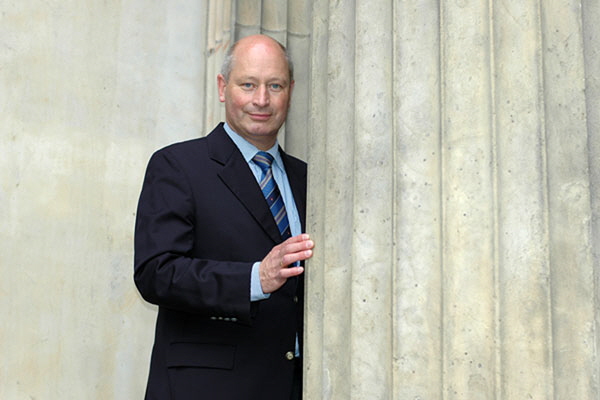 Andreas Friedlein
Lawyer (Rechtsanwalt)
View profile
-
 Karoline Behrend
Lawyer (Rechtsanwältin) · Certified specialist in public procurement law
View profile
-
 Stefan Karfusehr
Lawyer (Rechtsanwalt)
View profile
-
 Robin Jannis Mai, LL.B.
Lawyer (Rechtsanwalt)
View profile
-
 Anna Umberg, LL.M., M.A.
Lawyer (Rechtsanwältin) · Certified specialist in intellectual property law
View profile
-
 Katharina Gitmann-Kopilevich
Lawyer (Rechtsanwältin) · Certified specialist in intellectual property law
View profile
-
 Dipl.-Phys. Andree Eckhard
Patent attorney (Patentanwalt)
View profile
-
 Dr. Marie Wagner
Patent attorney (Patentanwältin)
View profile


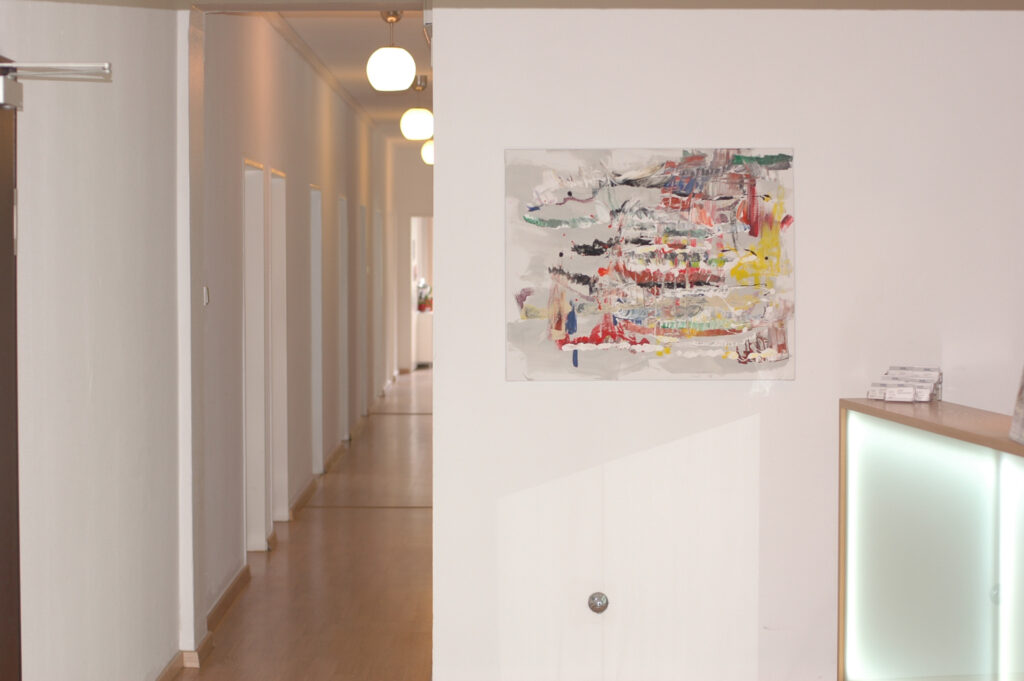
Offices
Head office in Hanover – on site throughout Germany
Enquiry
Tell us about your matter
Briefly describe your project or question. We will check who in our team is best placed to help and get back to you with an initial assessment of the next steps and costs.
- 0511 357356-0
- info@baurechthannover.com
- Georgstraße 48, 30159 Hannover
Please note: if a deadline is running – for example for a notice of defects, an objection or a complaint in a procurement procedure – please also call us.